We use cookies to make this site work. We'd also like to set optional cookies so we can understand how the site is used and improve it. We will not set optional cookies unless you accept them. You can change your choice at any time from the Cookie settings link in the footer.
Strictly necessary cookies
These cookies are required for the site to work. They store your cookie preferences and keep your session secure. They are exempt from consent under PECR Regulation 6(4) because they are essential to deliver the service you have requested.
Optional cookies
Optional cookies help us understand how the site is used and provide additional features such as analytics, accessibility tools and translation. We will only set them if you accept.

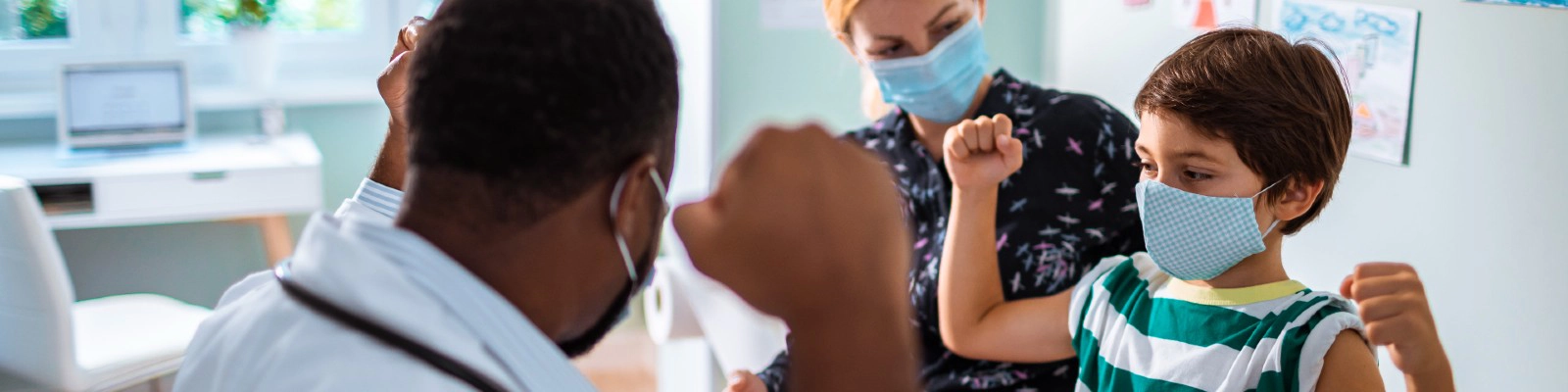
Vaccinations
Find out more about vaccinations that we offer
Learn more about the vaccinations we can offer you, your eligibility and when to have them.
Foreign travel
Information and advice for travelling abroad.
Flu vaccination
Who can have the vaccine?
We'll usually send you a text message if you need to have the vaccination. You can get the vaccine for free if you are:
- aged 65 or over
- aged 18 to 64 and have an underlying health condition
- pregnant
- a carer
- working in the health and social care sector
- living in a care home
- living with someone who is more likely to get infections.
There is also a free children's flu vaccine which is offered to children who are:
- aged 2 to 3 years old
- at risk because they have long-term health conditions.
If you think you, or your child, need the vaccine but are not in one of these groups, please contact us. We may still be able to give you the vaccine.
COVID-19 vaccination
Coronavirus (COVID-19) vaccines are safe and effective. They give you the best protection against COVID-19.
Meningitis vaccination
This vaccine protects against serious infections like:
- meningitis
- blood poisoning
It's a single injection and protects against 4 strains of the meningococcal bacteria – A, C, W and Y.
When to get it
- Children aged 13 to 15 are usually offered the vaccine in school, with the 3-in-1 teenage booster.
- If you did not have the vaccine, you can still get it up to the age of 25.
Respiratory syncytial virus (RSV) vaccination
Respiratory syncytial virus (RSV) is a common cause of coughs and colds. It usually gets better by itself, but it can be serious for some babies and older adults.
Who can have the vaccine?
You'll be able to get the vaccine if:
- you're aged 75 to 79
- you're 28 weeks pregnant or more – this will help protect your baby for the first few months after they're born.
If you're aged 75 to 79, your GP surgery will contact you about getting vaccinated. Please wait to be contacted.
You can speak to your maternity service or GP surgery about getting your RSV vaccination if you're 28 weeks pregnant or more.
Learn more about Respiratory syncytial virus (RSV) vaccinations on the NHS website
Shingles vaccination
Who should have the shingles vaccine?
The shingles vaccine is recommended for some older adults and people with a severely weakened immune system.
- People who turn 65 on or after 1 September 2026
- People aged 70 to 79
- People aged 50 and over with a severely weakened immune system
You can get shingles more than once, so it's important to get vaccinated even if you've had shingles before.
Learn more about shingles vaccinations on the NHS website
Getting the vaccination
Once you’re eligible, a GP or practice nurse will offer you the vaccine when you come to the surgery for general reasons.
Vaccinations for babies and children
Starting at 8 weeks old, your child needs to have different vaccines to protect them as they grow up.
When to get them
We'll contact you when your child is eligible for the vaccinations. This could be a letter, text, phone call or email.
If you think your child has missed any vaccinations, request an appointment.
Whooping cough vaccination
Getting the whooping cough vaccination if you’re pregnant
Getting vaccinated while you’re pregnant is effective in protecting your baby from getting whooping cough in the first few weeks of their life. Whooping cough is a serious infection that causes coughing and choking, making it hard to breathe.
The best time to have the vaccination is from 16 weeks to 32 weeks of your pregnancy. If you do not have it in this time, you can still have it up until you go into labour.
The vaccine also protects against:
- diphtheria
- tetanus
- polio
Getting the vaccination
You may be offered the vaccine at a routine appointment, from around 16 weeks of your pregnancy. You can have it at the practice, and some antenatal clinics also offer it.
If you’re not offered it around 16 weeks, talk to your midwife or GP and make an appointment.
Learn more about whooping cough vaccinations on the NHS website